
"South-east Asian coffee"
146000 article(s) found

Recommendation of coffee beans in Guji producing area of Ethiopia _-introduction to the information of Kolshagu Baya processing plant
Professional coffee knowledge exchange more coffee bean information please follow the coffee workshop (Wechat official account cafe_style) Ethiopia Sidamogu Gekorshagu Baya processing Plant G1 Ethiopia Sidamo Guji Egu Ebya Natural G1 production area: Sidamo Guigi Kirshagu Baya processing Plant G1 varieties: original species (Heirloom) altitude: 2000220

A brief introduction to the history and culture of the origin and development of sweet Ethiopian boutique coffee beans
Getachew Mengistie, director of Ethiopia's Bureau of intellectual property, bluntly pointed out that farmers sell raw beans for $1.45 a pound, while Starbucks sells for $26 a pound in the United States, 18 times the price difference between the two places. The reason is that Ethiopia does not know how to use intellectual property rights to create value for farmers, as long as the name of Ethiopian high-quality beans, it can be higher than the average in the United States.
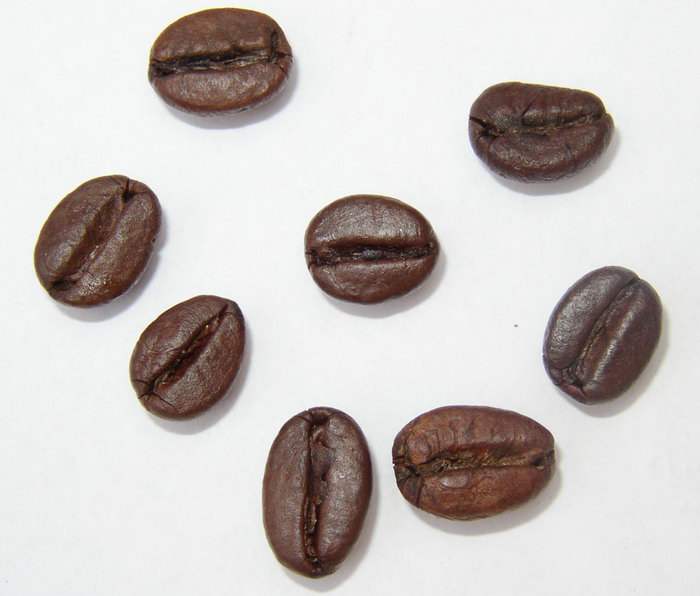
The production of Ethiopian coffee, the introduction of Ethiopian coffee
Following Kaiping (Wechat official account vdailycom) found that Beautiful Cafe opened a small shop of its own. There are more than 140 varieties of coffee in Ethiopia in East Africa, which means the land inhabited by sun-tanned people in ancient Greek. Ethiopia's unique cultural tradition, spectacular scenery, pleasant climate, rich animal and plant resources, and important places of interest

Description of Burundian Coffee characteristics and Flavor introduction to the production area of Grinding scale Manor
Burundian coffee flavor description varieties grinding scale manor production area introduces many plateaus and mountains in Burundi, most of which are composed of the plateau on the east side of the East African Rift Valley, with an average elevation of 1600 meters above sea level, which is known as a mountain country. According to the topography of Burundi, it can be divided into three regions: the western plain, along the Ruzizi River, and the Rift Albrtine plain, with an elevation of 774 to 1000 meters above sea level.

Brazilian Coffee planting time Base Map Flavor description introduction to Variety treatment in producing areas
Brazilian Coffee planting time Base Map Flavor description Variety treatment of producing areas introduction to the Great Economic crisis in 1929 the world consumption of coffee plummeted, which dealt a heavy blow to the Brazilian coffee plantation economy. Since then, the proportion of Brazilian coffee production in export earnings has plummeted. In the past 30 years, with the development of modern Brazilian industry, especially steel, shipbuilding, automobile and aircraft manufacturing,

Mellow Burundian Coffee Flavor Taste introduction to Fine Coffee in Manor production area
There are many plateaus and mountains in Burundi, most of which are made up of the plateau on the east side of the East African Rift Valley. The national average elevation is 1600 meters, which is known as the mountain country. According to the topography of Burundi, it can be divided into three regions: the western plain, along the Ruzizi River, the Rift Albrtine plain, 774 to 1000 meters above sea level; and the central and western mountains, with an average elevation of 1700 meters, with the highest peak in Bujumbura.

Introduction to the Flavor and Taste characteristics of Burundian Coffee Manor
There are two major ethnic groups in Burundi, and only about 15 percent of the Tutsi have ruled the country since the 16th century, controlling the civilian population, which is mainly made up of Hutu, plus a very small number of indigenous Twa. This abnormal social structure in which ethnic minorities occupy a high position has buried the evil seed of national instability, and in 1

Bolivia-Esso Coffee Farmers Association ASOCAFE Coop God of Love treatment Plant Water Bean Flavor and
Professional coffee knowledge exchange more coffee bean information please follow the coffee workshop (Wechat official account cafe_style) Bolivian Coffee-Esso Coffee Farmers' Association ASOCAFE Coop God's Love treatment plant the flavor and taste characteristics of washed beans? The Esso Coffee Farmers Association (Asociacion de Productores de Caf Taipiplaya) is a member of the FECAFEB Alliance and its office.

Introduction to the flavor and taste of Burundian boutique coffee manor
Formerly known as Urundi, Burundi formed a feudal kingdom in the 16th century. Since the middle of the 19th century, the forces of Britain, Germany and Belgium invaded. The long-ruled monarchy, which was conquered by Germany in 1890, listed it as the territory of German East Africa and fell under the control of the Belgian army in 1916. After World War I, the League of Nations merged Rwanda-

Coffee didn't appear in Brazil until 1727, and by 1852, it became the world's largest producer.
By the end of the 19th century, cracks began to appear in the Brazilian economy. Since the beginning of the colony, the country has in turn relied on one of a series of raw materials-Brazilian wood, sugar and gold-as its economic base for exports. The country's social structure is dominated by an elite landowner of European origin who benefit greatly from African, indigenous and mixed ethnic labor.

A brief introduction to the Origin and Development of Burundian Fine Coffee Flavor Manor
Burundi has a successful coffee industry with a wide variety of coffee in the world. And its coffee has its own characteristics, mellow taste, rich aroma, with excellent acidity. In Burundi, coffee is the main export industry for earning foreign exchange, while most of Burundi's coffee products are exported to the United States, Germany, Finland and Japan. This cooperation will greatly enhance the popularity of Burundian coffee in China.

What are the Indian coffee companies? what is the principle of Indian coffee monsoon treatment?
Professional coffee knowledge exchange more coffee bean information please follow the coffee workshop (Wechat official account cafe_style) the current situation of coffee cultivation in India today there are two green beans in India, three are Robbosa beans and less than one Arabica bean. Karnataka province in the southwest is the main coffee producing area in India, accounting for half of the production, while the southern province of Karala (Kerlala) mainly grows Robusta, accounting for

The flavor characteristics of Brazilian coffee describe how to drink handcups. Classification system of flavor elements of coffee beans
Professional coffee knowledge exchange more coffee bean information please follow the coffee workshop (Wechat official account cafe_style) Brazil is the largest coffee producer, providing nearly 45% of the world's coffee raw beans. The length of the country's dry season may even affect coffee prices around the world. Brazil is the largest country in Latin America and the world's largest coffee producer in the past 150 years. The world

The 2018 Asian Coffee Annual meeting will be held in Mangshi, Yunnan Province in November to open a new era of Asian coffee.
Professional coffee knowledge exchange more coffee bean information please follow the coffee workshop (Wechat official account cafe_style) how competitive is Asian coffee in the world? How to promote the voice of Asian coffee in the world coffee pattern? On October 17, the reporter learned from the press conference of the 2018 Asian Coffee Annual meeting that the 2018 Asian Coffee Annual meeting with the theme of Asian Coffee in the New era will be held on November 11.

Flavor and taste characteristics of Burundian coffee manor introduction of high-quality coffee beans
There are many plateaus and mountains in Burundi, most of which are made up of the plateau on the east side of the East African Rift Valley. The national average elevation is 1600 meters, which is known as the mountain country. According to the topography of Burundi, it can be divided into three regions: the western plain, along the Ruzizi River, the Rift Albrtine plain, 774 to 1000 meters above sea level; and the central and western mountains, with an average elevation of 1700 meters, with the highest peak in Bujumbura.

Introduction to the characteristics of fine coffee beans in the manor producing area of Tanzania coffee flavor and taste
Archaeological data from many Neolithic sites found in Tanzania prove that about 3,000 years ago, its main residents were the Koisan (see Bushmen), who made a living by hunting and gathering. In the early 1000 BC, the southern branch of the Kucht spread southward along the East African Rift Valley and reached north-central Tanzania, where it was the earliest farming inhabitant. In the centuries BC, the Bantu came from the west.

Asian Coffee Association huge Chinese Coffee consumption Market Asian Coffee system
Professional coffee knowledge exchange more coffee bean information please follow the coffee workshop (Wechat official account cafe_style) the Asian Coffee Association is a regional coffee industry organization established in 2015 by more than 20 Asian countries, including China, Vietnam and Thailand, with the aim of establishing Asian coffee standards and establishing an Asian coffee price system. Asia is the region with the fastest growing coffee consumption in the world

Brazilian Sandoz Coffee introduces Brazilian Coffee Flavor introduction of Brazilian Coffee hand pulping parameters
Professional coffee knowledge exchange more coffee bean information Please follow the coffee workshop (Wechat official account cafe_style) speaking of Brazil Santos, in addition to the football team, I believe many people will think of coffee. Santos is a port in southeastern Brazil. In the past, the name of the port was printed on the export of coffee (generic coffee) from different provinces.

What are the characteristics of Brazilian coffee beans? How do you make Brazilian coffee?
Professional coffee knowledge exchange More coffee bean information Please pay attention to coffee workshop (Weixin Official Accounts cafe_style) Brazil is the largest country in Latin America and the world's largest coffee producer in the past 150 years. A third of the world's coffee comes from Brazil, followed by Vietnam, Colombia and Indonesia. Annual production in Minas Gerais, south-eastern province alone (20 million bags)

Innovate the traditional coffee bean trade! Direct sales of Coffee Exchange origin should get rid of middlemen!
Professional coffee knowledge exchange more coffee bean information please follow the coffee workshop (Wechat official account cafe_style) (original title: connecting coffee farmers and roasters, e-commerce platform Coffee Exchange to revolutionize traditional coffee bean trade) Life begins after coffee. About 50 coffee beans are needed for a standard Expresso, and these beans decide